
Understanding Botox & Fillers: A Guide for Patients
Introduction
Botox & Fillers are widely chosen non-surgical treatments for individuals seeking to enhance their facial appearance with minimal downtime. These solutions are commonly used to reduce fine lines, restore volume, and achieve a more refreshed and youthful look.
In this blog, we’ll explore the key differences between Botox and fillers, how each treatment works, what to expect during a session, and how to make an informed decision when selecting a provider.
1. What Are Botox & Fillers?
Botox is a purified protein that temporarily relaxes facial muscles. It is primarily used to treat expression lines caused by repetitive movements such as frowning, squinting, or raising the eyebrows. Common treatment areas include forehead lines, crow’s feet, and frown lines.
Dermal fillers, on the other hand, are gel-like substances — often made from hyaluronic acid, that are injected beneath the skin. They help restore lost volume, smooth deeper folds, and enhance facial contours, especially in areas such as the cheeks, lips, and around the mouth.
Understanding the distinct roles of Botox and fillers is important.
- Botox works best for dynamic lines caused by movement.
- Fillers are effective for restoring structure and volume loss.
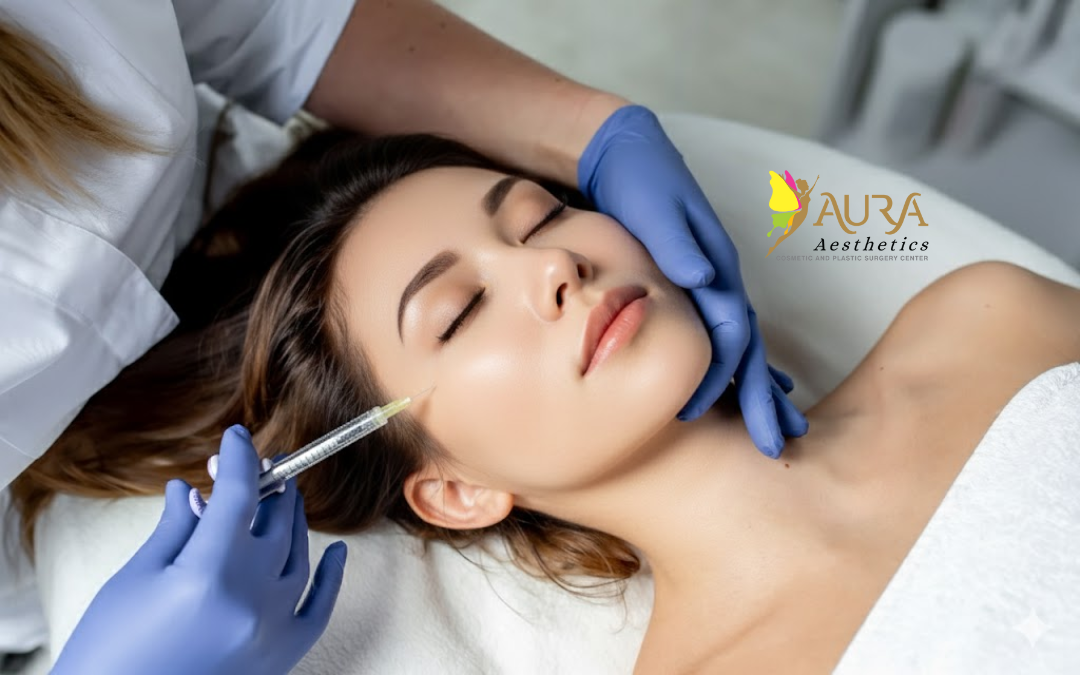
In some cases, combining both treatments may provide more comprehensive, balanced results.
2. How Botox & Fillers Work: A Step-by-Step Overview
When Botox is injected, it temporarily blocks the nerve signals that trigger muscle movement. As the muscle relaxes, the overlying skin appears smoother. Visible results typically begin within a few days and can last for 3 to 6 months.
Fillers, in contrast, are placed directly under the skin to fill hollow areas or support sagging tissue. This results in a fuller, lifted appearance. Some filler types may also stimulate collagen production over time. Depending on the product used, the effects can last between 6 months to 2 years.
What to Expect During a Treatment Session
- The provider will first identify and mark the targeted areas.
- The skin will be cleaned, and a topical numbing agent may be applied for comfort.
- Fine needles are used to deliver the product into the skin.
- Mild stinging, swelling, or redness may occur but generally resolves quickly.
Both treatments are typically completed in under 30 minutes and require minimal downtime.
3. Advantages, Precautions, and Aftercare Guidelines.
Understanding the positives, possible side effects, and how to care for your skin after treatment.
Benefits
- Minimal downtime — most people return to daily life right after.
- Quick treatments — often done in under 30 minutes.
- Results that can look natural and subtle when done well.
- Treatments can be customized to fit your face and goals.
Risks and Side Effects
- Mild swelling, bruising, or redness at the injection site.
- Temporary asymmetry or “tight” feeling (especially with Botox).
- In rare cases, allergic reactions or infections.
Aftercare Tips
- Mild swelling, bruising, or redness at the injection site.
- Temporary asymmetry or “tight” feeling (especially with Botox).
- In rare cases, allergic reactions or infections.
4. Botox or Fillers? Making the Right Choice!
Before starting any treatment, it’s important to clearly define aesthetic goals. Are we looking to soften expression lines, restore volume, or address both concerns? A personalized consultation with a qualified aesthetic professional is the best way to determine the right approach.
What to Look for in a Provider:
- Verified qualifications and extensive experience in cosmetic injectables
- A clear portfolio of before-and-after photos from real patients
- Transparent communication regarding product brands and expected outcomes
- Adherence to hygiene standards and clinical safety protocols
By asking the right questions and reviewing the provider’s credentials, we can ensure that our treatment plan is both safe and aligned with our expectations.
Conclusion
Botox and fillers offer highly effective, non-surgical options for facial rejuvenation. When performed by a certified and experienced practitioner, these treatments can deliver subtle, natural enhancements that refresh and restore facial features.
